ARC Inspection Group

Home Inspection

New Construction Inspection
Home Inspection

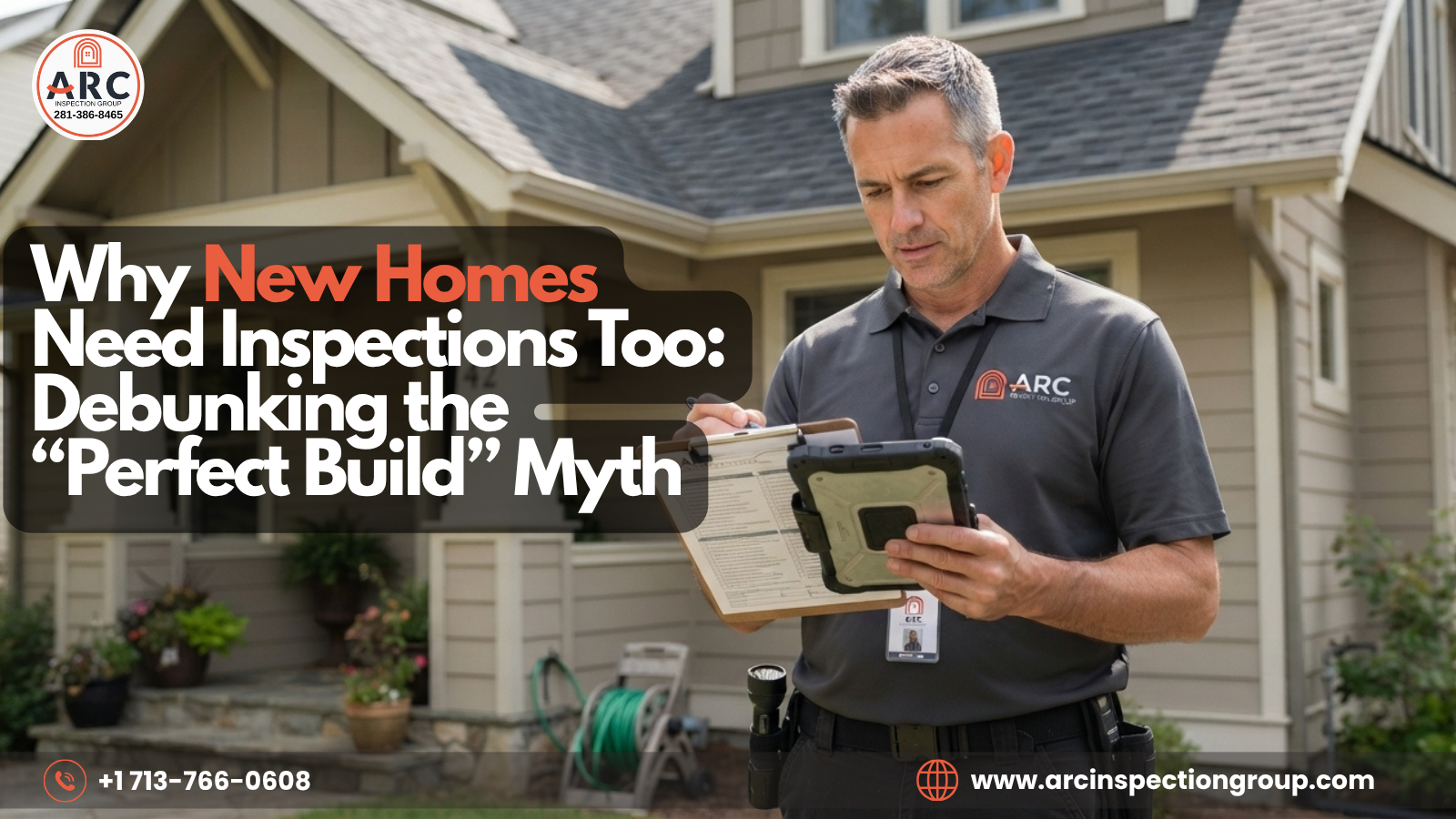
New Construction Homes: Why Phase-by-Phase Inspections Save You Thousands

When you hear the words “new construction home,” you probably imagine a flawless property—fresh paint, brand-new appliances, a perfect foundation, and zero hidden issues. Many buyers assume that a newly built home is automatically free of defects because everything is new and built to code. But here’s the truth:New homes often have more hidden issues than older homes. Why? Because construction involves dozens of subcontractors, fast timelines, and many small steps that must be executed with precision. Even the most reputable builders can overlook mistakes. That’s where phase-by-phase (or phase) inspections come in. These inspections evaluate the home at every critical stage of construction, catching problems long before they become expensive headaches. Instead of discovering defects after moving in, you gain confidence knowing your home was built correctly from the ground up. Let’s explore why phase inspections are essential and how they can save you thousands of dollars. What Are Phase-By-Phase Inspections? A phase inspection is a series of professional home inspections completed at key milestones during a home’s construction. Unlike the final walkthrough performed by the builder, phase inspections dig deeper and focus on the structural integrity, safety, and quality of work as it progresses. The three major phases include: Pre-Pour Foundation Inspection Pre-Drywall (Rough-In) Inspection Final Walkthrough Inspection Each phase is an opportunity to identify issues that would be difficult, expensive, or impossible to fix later. 1. Pre-Pour Foundation Inspection: Protecting Your Home’s Structural Core The foundation is the most critical component of any home. If the foundation is flawed, the entire structure is at risk. Before concrete is poured, an inspector evaluates the foundation elements such as: Soil preparation and drainage Post-tension cable placement Rebar patterns and reinforcement Footing layout, depth, and spacing Plumbing lines running beneath the slab Electrical conduit placement Even a minor misalignment can cause: Foundation cracks Uneven floors Plumbing leaks under the slab Long-term structural instability Once the foundation is poured, many issues become invisible and nearly impossible to repair without major reconstruction. A pre-pour inspection ensures your home starts on a solid, properly engineered foundation—literally. 2. Pre-Drywall (Rough-In) Inspection: Catching Hidden Problems Before They’re Sealed   Once framing is complete and mechanical systems are installed—but before drywall is hung—inspectors evaluate the heart of your home’s functionality, including: Electrical Systems Correct breaker sizes Proper wiring and grounding Safe spacing around water sources Secure junction boxes Plumbing Rough-In Correct pipe slopes Proper material usage Secure fittings and supports Adequate venting HVAC Installation Proper duct insulation Correct return and supply placement Proper sealing to prevent efficiency loss Framing & Structure Correct stud spacing Reinforced load-bearing walls Proper attic ventilation Window and door framing alignment Once drywall is installed, all of these systems become hidden—and fixing them requires cutting walls open. This phase of inspection prevents: Future electrical hazards Water leaks in walls Mold growth due to improper ventilation HVAC inefficiency and high energy costs Sagging floors or structural problems Long-term benefit: A single missed plumbing or wiring issue could easily turn into a $3,000–$10,000 repair later. A rough-in inspection prevents that. 3. Final Phase Inspection: The Last Check Before You Get the Keys   The final inspection occurs once the home is fully built. Although builders conduct their own walkthrough, they rarely match the depth of an independent inspector’s evaluation. This phase focuses on: Roofing integrity Grading and drainage Proper installation of doors, windows, and insulation Working smoke detectors and GFCI outlets Appliance functionality Correct installation of trim, cabinetry, and fixtures HVAC performance and airflow Plumbing leaks or slow drains Water heater safety checks Additionally, this inspection ensures the home meets safety standards and industry best practices, not just minimum code. A final inspection helps you present documented findings to your builder so they can correct issues before closing—saving you hundreds or thousands in post-move repairs. Why Phase Inspections Save You Thousands of Dollars 1. Problems Are Cheaper to Fix During Construction Repairing a misaligned pipe or electrical issue during construction costs nearly nothing. Fixing it after drywall? Now you’re paying for demolition, materials, labor, repainting, and cleanup. 2. Protects You From Builder Oversights Construction crews work fast, often juggling multiple properties. Mistakes happen—phase inspections ensure they’re caught early. 3. Prevents Long-Term Structural Damage Small errors in foundation or framing can cost tens of thousands years later. 4. Gives You Leverage With the Builder Your inspection report provides documented proof of issues, making repairs easier to request and harder for the builder to dismiss. 5. Peace of Mind Buying a home is one of the biggest investments you will ever make. Phase inspections give you confidence that your new home is safe, durable, and built right. Final Thoughts: Don’t Skip Phase Inspections—Your Future Self Will Thank You A new construction home may look perfect on the surface, but the true quality of a home lies in its structure, wiring, plumbing, and foundational integrity. Phase-by-phase inspections act as your safeguard—your assurance that your home is built correctly at every stage. If you want to ensure your new build is not only beautiful but also structurally sound and safe, a phase inspection is one of the smartest investments you can make. Catch issues early. Save money. Protect your new home from the start.

home inspection
Home Inspection

Why Fall Is the Smartest Season for a Home Inspection in Houston

Fall in Houston is a hidden gem for homebuyers, sellers, and smart homeowners planning annual maintenance. The chaotic, humid summer finally gives way to cooler, drier days, and that shift turns autumn into the ideal season for a thorough home inspection. If you’ve considered putting it off—or if you’re wondering why so many real estate pros recommend fall—this deep dive will show you why this season can save you money, stress, and headaches before the holidays arrive. Cooler Weather, Safer Inspections Anyone who’s survived a Houston summer knows just how brutal outdoor work can become. Inspectors, too, face risks from extreme heat—even routine roof or attic checks turn into endurance tests by July or August. In the fall, comfortable temperatures make it easier (and safer) for inspectors to spend quality time on the roof, in attics, or under houses. This careful access results in more deliberate, less rushed reporting with a sharper eye for subtle issues that can be missed when working against heat exhaustion. Reduced Rain & More Accurate Assessments Houston summers come with hurricane threats and heavy rains, which often lead to flooded yards, pooling around foundations, swollen doors, and sometimes temporary moisture problems. These short-term issues can mask bigger, chronic concerns—or make a home look worse than it really is. By autumn, rainfall is usually less intense and yards are beginning to dry out, providing a truer sense of drainage patterns, foundation integrity, and building envelope weaknesses that only show up after the wet season’s passed. Holiday Preparation: Peace of Mind Before Guests Arrive The months leading up to Thanksgiving and Christmas are crunch time for repairs and upgrades. Whether you’re getting your home ready for holiday company or prepping to list your property in the new year, a fall inspection uncovers issues early enough for you to handle repairs at your pace—not in a last-minute panic when service providers are already booked solid. Addressing electrical, HVAC, and plumbing issues now means a safer, more comfortable home before guests arrive and prevents cold-weather breakdowns. Ideal Timing for Seasonal Maintenance Many home systems need extra care to transition smoothly into winter. A fall inspection helps homeowners plan HVAC tune-ups, gutter cleaning, insulation checks, and roof repairs before colder temperatures create urgent (and often pricier) fixes. For homes with fireplaces, fall is a crucial time to have chimneys inspected for safety before the first fire of the year. Boosting Value for Buyers and Sellers If you’re thinking about selling, a fall inspection gives you a jump start on prepping your home for the ultra-competitive spring market. Addressing problems in advance means fewer surprises during buyer inspections, better negotiating power, and a more confident, streamlined sale. Buyers, conversely, benefit from more available inspectors and easier scheduling outside the spring rush. Less Demand, More Personalized Service Because many people wait until spring or early summer to buy or sell their homes, fall offers a rare opportunity to schedule inspections with less wait time. You’ll often receive more attention from your inspector, get results faster, and have more flexibility to ask questions or request specialized ancillary services—like energy audits, drone roof photos, or mold testing—without the pressure of peak season. Conclusion: The Smart Move Investing in a fall home inspection in Houston isn’t just about convenience; it’s a strategic decision that delivers clear, tangible benefits. From lower risks to better technical accuracy, early holiday readiness, and superior service, autumn puts the odds on your side. If you’re a homeowner, buyer, or seller ready to get the most honest, actionable assessment of your property, don’t wait until the chaos of winter or the real estate herd hits in spring. Fall is your smartest season to get ahead—and enjoy true peace of mind.

Home Inspection

The Rise of Specialized & Ancillary Services in Home Inspection Services

In today’s fast-evolving real estate market, homebuyers are more informed and cautious than ever. A simple visual inspection is no longer enough to earn their trust or reveal potential issues hidden behind walls, under roofs, or beneath foundations. That’s where specialized and ancillary Home inspection services are transforming the industry — and companies like ARC Inspection Group are leading the way in Houston, Texas. 🔍 Going Beyond the Basics Traditional home inspections typically cover visible components — structure, roof, HVAC, plumbing, and electrical systems. While these remain essential, today’s clients expect more precision and deeper insights. Specialized services, such as roof inspections, attic evaluations, foundation assessments, and termite inspections (Complete home inspection services), add layers of detail that help buyers and realtors make smarter, faster, and more confident decisions. At ARC Inspection Group, these services are an integral part of every comprehensive inspection plan. Whether it’s detecting early signs of foundation settlement or uncovering hidden moisture in the attic, the goal is to help clients avoid surprises after closing. ⚙️ Technology Driving the Change The growth of specialized inspections is closely tied to advancements in inspection technology. Modern tools like thermal imaging cameras, moisture meters, and drone roof inspections allow inspectors to detect issues invisible to the naked eye. These innovations not only improve accuracy but also save time and prevent costly oversights. For Houston homeowners and realtors, this means faster, more reliable reports that highlight even the smallest red flags before they turn into expensive repairs. ARC Inspection Group integrates technology with experience — ensuring every home is inspected thoroughly, from roof to foundation. 🐜 The Importance of Ancillary Services Ancillary services such as termite inspections, mold testing, and windstorm evaluations (home inspection services) are no longer “optional extras.” In fact, they’re becoming vital parts of modern real estate transactions. Houston’s humid climate makes homes particularly vulnerable to pests and moisture-related damage. Ignoring these checks can lead to major repair bills and health risks later. By offering these add-on services, ARC Inspection Group gives buyers a one-stop solution — saving time, reducing stress, and ensuring complete peace of mind before signing on the dotted line. 💡 Why This Trend Benefits Realtors and Buyers For realtors, specialized inspection services help close deals with fewer post-contract complications. They also strengthen credibility, showing clients that every aspect of the property has been evaluated professionally. For buyers, the benefit is simple: clarity and confidence in their investment. As the demand for transparency grows, the role of specialized inspections will only expand — and companies that adapt to this shift will continue to stand out in a competitive market. ✅ The ARC Advantage At ARC Inspection Group, we believe every inspection should go beyond the surface. Our professional inspectors bring deep expertise, modern tools, and Houston-specific knowledge to every property we evaluate. From standard home inspections to detailed roof, foundation, and termite assessments — we help homeowners and realtors make informed, confident choices. Ready to protect your investment?Visit ARC Inspection Group to schedule your next inspection today.

Best Home Inspector - ARC Inspection Group
Home Inspection

Navigating TREC’s Evolving Standards: Home Inspection Restrictions, Ethics, and Compliance in Texas

Home inspection s are an indispensable step in the Texas real estate process, safeguarding both buyers and sellers. But as the industry grows and transactions become ever more complex, the Texas Real Estate Commission (TREC) continues updating its Standards of Practice (SOPs) and regulations—especially when it comes to ethics and inspector conduct. Among the most impactful changes in 2025 are prohibitions on inspectors performing repairs on homes they’ve recently inspected. These updates target potential conflicts of interest, aiming to keep the inspection field transparent, objective, and free from real or perceived bias. Why the Change? Dismantling Conflicts of Interest Historically, some inspectors in Texas (and elsewhere) may have blurred the line between assessment and repair—using their inspection findings to generate business for their own contracting work. While most professionals hold themselves to high ethical standards, even the appearance of a conflict can erode trust. TREC’s enhanced restrictions specifically prevent a licensed inspector from inspecting a home and then offering or performing repair services on that same property within a set period. The goal: eliminate any incentive to overstate issues or “find problems to fix,” prioritizing the client’s best interest over personal gain.​ The New Standards: Key Compliance Highlights The revised TREC Standards include several critical updates: Inspections and Repairs: Inspectors are prohibited from repairing, replacing, or upgrading items they’ve inspected, whether inside or outside a real estate transaction. Mandatory Reporting: Inspectors must disclose if they have any financial interest in companies recommended for repairs or further evaluation, ensuring transparency for clients. Standardized Reporting: Updated forms and language in inspection reports are designed for clarity and consistency, reducing ambiguity and minimizing potential miscommunication.​ Ethics & Licensure: Additional pre-licensing and continuing education requirements—focused on legal and ethical issues—aim to reinforce industry professionalism.​ Raising the Bar: Inspector Training and Industry Transition For working inspectors, these changes demand more than just procedural tweaks—they signal a cultural shift toward rigorous professional boundaries. All Texas inspectors must now undergo regular continuing education on ethics and regulatory compliance. Topics include real-world conflict-of-interest scenarios, client communication, and the proper separation of inspection and repair roles.​ Inspector training providers and brokerages are updating curricula and onboarding practices to align with TREC’s new mandates. Many professionals are also re-evaluating referral partnerships, written disclosures, and marketing language to avoid even the appearance of impropriety. Immediate Benefits: Trust, Clarity, and Consumer Protection For buyers and sellers, these restrictions offer greater peace of mind. Clients can trust that inspectors are focused exclusively on providing independent evaluations—not angling for future repair work. Real estate agents, too, see fewer transaction disruptions caused by perceived or actual bias in inspection outcomes. Meanwhile, TREC’s enhanced oversight strengthens consumer protection statewide. By holding inspectors to a high ethical standard, the commission supports a marketplace rooted in fairness, accuracy, and transparency.​ Facing the Challenges: Industry Response and Ongoing Compliance Of course, these new rules are not without challenges. Inspectors who previously supplemented their income with post-inspection repairs must now pivot their business models. Brokerages and multi-service companies—especially those that previously offered bundled services—are required to rethink operational practices and referral structures. On the flip side, the industry as a whole is becoming more respected and trusted as true third-party evaluators. Inspectors who embrace compliance, customer education, and ethical rigor are finding that their reputations and referral networks are stronger than ever. Conclusion: A Stronger, More Ethical Industry The TREC’s updated inspector restrictions and compliance mandates mark a pivotal moment for home inspection in Texas. By firmly separating inspection from repair, the industry not only eliminates conflicts of interest—it strengthens consumer trust in every transaction. Inspectors, agents, and clients alike all benefit from a more ethical, transparent, and accountable marketplace. As these changes become the new standard, Texas sets an example for the nation—proving that raising the bar for compliance and professionalism is always a step in the right direction. For up-to-date information or to verify inspector compliance, visit TREC’s website or consult with a licensed inspector directly.

Home Inspection

Why Home Inspections Remain in High Demand Despite Rising Mortgage Rates

The U.S. real estate market in 2025 continues to evolve under the pressure of higher mortgage rates and tighter lending conditions. While many buyers take a cautious stance, the need for reliable home inspections has not slowed—in fact, it has strengthened. As affordability concerns reshape buyer behavior, comprehensive inspections are becoming a non-negotiable part of every smart real estate deal.​ The Market Shift: Higher Rates, Smarter Buyers Mortgage rates through 2025 have stayed elevated compared to the previous few years, creating more cautious and selective homebuyers. Instead of rushing into deals, today’s buyers are researching, comparing, and carefully evaluating each property before signing a contract. This shift has increased demand for pre-purchase home inspections that can reveal hidden defects and prevent unexpected costs down the road.​ Buyers understand that with rising rates, every dollar counts. A property with unseen issues—mold growth, unstable foundations, electrical faults, or poor insulation—can transform a dream home into a financial burden. A professional home inspection provides clarity, helping them invest wisely rather than gamble on appearances. How the Inspection Industry Is Responding Home inspection professionals have adapted by offering more detailed, technology-driven inspections that match new buyer expectations. With tools like thermal imaging cameras, moisture meters, AI-assisted reporting software, and drones, inspectors can detect issues invisible to the naked eye. According to the 2025 Home Inspections Market Outlook, inspectors who invest in digital tools and fast-tracked reporting have an advantage in retaining clients and realtor relationships. Instant photo-based reports, 3D visualizations, and user-friendly summaries are now standard across Texas and other competitive markets.​ Home Inspections as Negotiation Tools In a slowing real estate environment, inspections are not only seen as a safety measure—they’ve become a strategic negotiation asset. Buyers use detailed inspection reports to justify lower offers or negotiate repairs, saving thousands of dollars in the process.​ Sellers have also embraced this shift. Pre-listing Home inspections are gaining popularity as a way to reduce the risk of failed deals and speed up transactions. By addressing known issues before listing, sellers can improve buyer confidence and maintain stronger asking prices. Real estate agents, too, now encourage inspections early in the process to avoid delays or second negotiations later in escrow. The result is smoother, more transparent transactions for all parties involved.​ Regional Focus: The Texas Market In markets like Houston, Dallas, and Austin, this trend is even more pronounced. Affordable housing has tightened, and competition remains steady even with fluctuating rates. Home inspection companies like ARC Inspection Group have reported consistent demand across residential, new construction, and warranty inspections. Texas buyers, in particular, face additional regional factors—high humidity, soil movement, and termite activity—that make thorough inspections even more crucial. From foundation cracks to energy inefficiencies, local inspectors serve as the first line of defense in identifying potential long-term issues before they become costly repairs. Looking Ahead: Stability Through Caution While rising interest rates have cooled overall housing transactions, they’ve also encouraged a more deliberate and educated class of homebuyers. These cautious buyers are driving sustainable business for inspection professionals who offer thorough, technology-driven, and client-focused services.​ Ultimately, the current market trend reveals a powerful truth: inspection demand does not decline when the market slows—it shifts in purpose. Buyers are inspecting fewer homes, but they are choosing to inspect them better. Final Thought In today’s real estate climate, the home inspection is more than a procedural step—it’s a safeguard for financial stability. Whether buying a first home or investing in property, an inspection is your best assurance against hidden costs and structural surprises. Even as mortgage rates reshape the housing market, one fact remains clear: informed decisions start with a professional home inspection. To schedule a trusted home inspection in Houston or the greater Texas area, visit: ARC Inspection Group

Home Inspection

08 Smart Home Inspection Tips for First-Time Buyers

Buying your first home is an exciting milestone — but it can also feel overwhelming. Between mortgage paperwork, negotiations, and endless listings, it’s easy to overlook one crucial step: the home inspection. At ARC Inspection Group, we believe knowledge is power. A thorough inspection doesn’t just reveal what’s wrong with a house — it empowers you to make informed, confident decisions about your investment. Here are 8 smart tips every first-time buyer should know before, during, and after a home inspection. 1. Understand Your Report When you receive your Home inspection report, don’t panic if you see a long list of issues — it’s completely normal! Every home, even new ones, has imperfections. Take time to read through the report carefully. Your inspector can help you understand what’s minor, what needs attention soon, and what might require immediate repair. 💡 Pro Tip: Schedule a quick call with your inspector to review the findings together. ARC Inspection Group inspectors are always happy to walk you through it. 2. Plan for Maintenance Owning a home means regular upkeep. Use your inspection report as a guide to create a maintenance checklist. Whether it’s cleaning gutters, sealing windows, or servicing your HVAC, staying proactive can prevent small problems from turning into big repairs. 3. Put Safety First Some issues just can’t wait. Focus first on safety items such as electrical hazards, carbon monoxide risks, structural concerns, or gas leaks. These should be addressed before you move in or right after closing. 4. Get to Know Your Systems Locate and label the main water shutoff valve, circuit breaker panel, and gas shutoff. Knowing where these are (and how to use them) can save you time and stress during emergencies. 💡 Pro Tip: Take photos or make a quick diagram for future reference. 5. Budget for Future Repairs Even after closing, homes need ongoing attention. Set aside a home repair fund — ideally 1–3% of your home’s value each year. This ensures you’re financially ready for any unexpected fixes. 6. Schedule a Re-Inspection If repairs were requested after the initial inspection, consider a re-inspection. This ensures that the work was completed properly and gives you peace of mind before finalizing the purchase. 7. Ask Questions — Lots of Them Your home inspector is your best resource. Don’t hesitate to ask about the condition of specific systems, estimated life spans of major appliances, or maintenance recommendations. The more you know, the better you’ll care for your home. 8. Stay Informed & Confident Owning a home is a continuous learning experience. At ARC Inspection Group, we’re committed to educating and empowering homeowners. From detailed inspection reports to helpful guides and checklists, we provide the tools you need to maintain your home with confidence. 🔍 Why Choose ARC Inspection Group? At ARC, we combine experience, technology, and a genuine passion for helping homeowners make smart decisions. Whether you’re buying your first home or your forever home, we’re here to ensure your inspection experience is clear, stress-free, and empowering. 📞 Call 281-386-8465🌐 arcinspectiongroup.comARC Inspection Group — Helping Houston Homeowners Buy with Confidence

Home Inspection

The Importance of Roof Inspection in the Home-Buying Process

When it comes to purchasing a home, the roof often plays a make-or-break role in determining both safety and long-term value. A solid, well-maintained roof ensures protection against weather, energy efficiency, and peace of mind for the buyer. This is why professional roof inspection is not just a recommendation—it’s a necessity. At ARC Inspection Group, we specialize in comprehensive home inspection services across Houston, ensuring that no detail goes unnoticed during one of life’s biggest investments. Why Roof Inspection Matters The roof is the first line of defense against rain, wind, heat, and storms. Yet, because of its placement, many homeowners and buyers overlook its condition until problems arise. A professional home inspector can identify issues like: Missing or damaged shingles Water leaks and moisture damage Poor attic ventilation Mold or mildew growth Structural weakness in rafters or decking For Realtors and buyers, a thorough roof inspection provides clarity and prevents unexpected repair costs after closing. Common Roof Problems Found in Houston Homes Houston’s hot summers, sudden storms, and occasional hurricanes put roofs to the test. During a roof inspection, experts often find: Shingle Damage – Extreme heat can cause shingles to curl or crack, compromising protection. Water Intrusion – Heavy rains often reveal weak points in flashing or valleys. Improper Installation – Poor craftsmanship leads to faster wear and tear. Mold & Attic Issues – Improper ventilation allows humidity to damage insulation and structure. Aging Roofs – Many homes in Houston have roofs nearing the end of their 20–30 year lifespan. A certified home inspector near me with local expertise ensures these issues are spotted before they become costly repairs. Roof Inspection vs. General Home Inspection While a general home inspection covers all systems of a property, the roof deserves special attention. Many buyers underestimate the cost of roof replacement, which can run into tens of thousands of dollars. A dedicated roof inspection goes deeper by evaluating: Roof covering (shingles, tiles, or metal) Gutters and downspouts Chimneys, skylights, and vents Attic insulation and airflow Flashing around penetrations This detailed review ensures that the buyer fully understands the home’s condition. Why Choose ARC Inspection Group for Roof Inspection Services in Houston At ARC Inspection Group, we go beyond surface-level checks. Our roof inspection services in Houston include cutting-edge tools, thermal imaging (where applicable), and years of local experience. Here’s why Realtors, buyers, and homeowners trust us: ✅ Certified Professionals – Each home inspector on our team is trained, licensed, and insured. ✅ Comprehensive Reports – Easy-to-read reports with photos, delivered quickly. ✅ Local Houston Expertise – We understand how Houston’s weather affects roofing systems. ✅ Trusted by Realtors – Many Houston Realtors recommend ARC because we help buyers make informed decisions. ✅ Foundation & Attic Evaluations Included – We don’t just check the roof; we also assess attic conditions and foundation stability to give a complete picture. 👉 Learn more about our roof, attic, and foundation evaluation services here: ARC Inspection Group – Roof, Attic & Foundation Evaluation. Benefits of Roof Inspection for Homebuyers For buyers, working with a trusted home inspector means: Financial Protection – Avoid surprise repair bills after purchase. Negotiation Power – Use inspection findings to request repairs or adjust price. Safety Assurance – Ensure the roof can withstand storms and protect the family. Long-Term Planning – Know when future repairs or replacements may be necessary. A small investment in a roof inspection today can save thousands tomorrow. FAQs About Roof Inspections 1. How much does a roof inspection cost in Houston?Roof inspections are typically included in a full home inspection package. The cost varies depending on home size and age, but it’s a fraction of the potential savings. 2. How often should I get a roof inspected?Homeowners should schedule a roof inspection every 1–2 years and always before buying or selling a property. 3. Can a roof inspection help lower my insurance premium?Yes! Many insurance companies reward proactive maintenance with discounts, especially if a certified home inspector provides documentation. 4. What happens if issues are found during a roof inspection?ARC provides a detailed report with photos and recommendations. Buyers can use this report to negotiate repairs, request credits, or plan for maintenance. Final Thoughts Buying a home is one of the most important financial decisions you’ll ever make. A thorough roof inspection ensures your investment is protected, your family is safe, and your decision is informed. At ARC Inspection Group, we are committed to providing detailed, professional, and reliable home inspection services in Houston. Whether you’re a Realtor guiding clients or a buyer making a dream purchase, our inspections give you the peace of mind you deserve.

Top 10 Home Inspection Companies in Houston (2025) | ARC Inspection Group
Home Inspection

Top 10 Home Inspection Services Provider in Houston – 2025 Guide

Top 10 Home Inspection Services Provider in Houston When buying or selling a home, one of the most important steps is hiring a professional home inspector. A good inspection ensures you understand the true condition of the property, from the foundation to the roof. In a growing city like Houston, the demand for home inspection services is higher than ever. To help you make the right decision, we’ve compiled a list of the Top 10 Home Inspection Companies in Houston. Leading this list is ARC Inspection Group, your trusted partner in protecting your investment. 1. ARC Inspection Group – The Trusted Name in Houston Website: ARC Inspection Group At the top of our list is ARC Inspection Group, founded by Arash Dinyarian. Known for its certified home inspectors, detailed reports, and customer-first approach, ARC has become a go-to choice for Houston buyers, sellers, and realtors. Why Choose ARC Inspection Group? Licensed & Certified Inspectors (TREC Compliant) Expertise in Houston-specific issues like foundation movement, termite damage, and storm impact Wide range of services: residential inspections, new construction, roof inspections, termite and mold testing Clear, photo-rich reports delivered within 24 hours Affordable and transparent pricing If you’re looking for the best mix of professionalism, reliability, and local expertise, ARC Inspection Group is Houston’s #1 choice. BOOK Your Inspection 2. AmeriSpec Home Inspection Services AmeriSpec is a nationally recognized brand offering home inspections across the U.S., including Houston. They provide standard inspection services with a structured reporting system. Strengths: Established network, standardized process Limitations: Less personalized than local firms 3. House Masters Home Inspection House Masters focuses on detailed residential property inspections. They are known for educating clients about property conditions during the inspection process. Strengths: Great for first-time homebuyers Limitations: Smaller team, limited scheduling flexibility 4. HomeTeam Home Inspection HomeTeam Inspection Service is unique in that they often send a team of inspectors to evaluate different systems at the same time. This makes inspections faster and efficient. Strengths: Speed, multiple inspector approach Limitations: Reports may lack the personal touch of smaller companies 5. Advantage Home Inspection Advantage Home Inspection provides inspections for both buyers and sellers. They emphasize roof inspections and HVAC evaluations, common needs for Houston properties. Strengths: Affordable pricing Limitations: Narrower range of specialized services 6. ICA Home Inspection Known for training future home inspectors, ICA also offers inspection services in Houston. They are reliable for standard property inspections. Strengths: Industry knowledge and certification credibility Limitations: Not as specialized in local Houston issues 7. InterNACHI Certified Inspectors (Independent Providers) Many independent inspectors in Houston hold certifications from InterNACHI, a leading association in the industry. While quality varies, certification ensures a minimum level of training and knowledge. Strengths: Wide availability Limitations: Varies greatly depending on the inspector 8. Residential Roof Inspection Specialists Some Houston companies focus solely on roofing inspections, which is crucial in an area prone to storms and hurricanes. They are ideal if you only need a roof check-up before repairs or insurance claims. Strengths: Specialized expertise Limitations: Not a full home inspection 9. Structural Engineer Home Inspection Services For homes with foundation issues—a common concern in Houston due to clay soil movement—structural engineer inspection companies provide advanced analysis. Strengths: Engineering-level detail Limitations: Higher cost, not full-service inspections 10. Local Independent Home Inspectors Houston is home to many independent inspectors who operate solo businesses. Some provide excellent service and personalized reports, but consistency and availability can vary. Strengths: Personalized service Limitations: Limited resources, slower report turnaround 🏠 Why ARC Inspection Group Tops Them All While all the companies above provide valuable services, ARC Inspection Group stands out because of its: Local Houston Expertise: Knowledge of the city’s climate, soil, and construction trends. Comprehensive Services: Covering everything from termites and mold to full house inspections. Customer Service: Transparent communication and detailed reports that clients can trust. Affordable Home Inspection Cost: Fair pricing with no hidden fees. ARC combines the professionalism of a large company with the care and personal attention of a local business. 📣 Final Thoughts Finding the right Home Inspection Services Provider in Houston is about more than just cost—it’s about trust, expertise, and thoroughness. While there are many good options, ARC Inspection Group consistently delivers the quality, reliability, and peace of mind that Houston homeowners deserve. Whether you’re buying, selling, or maintaining a home, don’t take chances—choose ARC Inspection Group. 👉 Visit arcinspectiongroup.com to book your inspection today.

home inspection
Home Inspection

The Rise of Smart Home Inspections: What Buyers and Sellers Need to Know

Introduction The home inspection industry has seen significant transformation in recent years, with smart technology now playing a dominant role in both what inspectors evaluate and the expectations of buyers and sellers. In 2025, advanced smart home integrations, from thermostats and security systems to a broad range of IoT devices, are redefining a home’s value and its risks. For buyers and sellers, understanding how these systems are inspected is now fundamental to a smooth, transparent real estate transaction. What Is a Smart Home Inspection? A smart home inspection goes far beyond traditional checklists that focus on structure, plumbing, electrical, and HVAC. It includes a deep dive into a property’s automation systems, energy efficiency features, and digital safety provisions. Inspectors now routinely assess the integration and functioning of devices such as: Smart thermostats (like Nest, Ecobee) IoT-enabled security systems (alarms, cameras, motion sensors) Smart locks and doorbells Voice assistants and interconnected lighting App-based appliance controls Energy monitoring sensors and automated climate or irrigation tools Inspection professionals must determine not only if these devices work, but also if they are securely configured, compatible with major ecosystems, and user-friendly for new occupants. Why Smart Home Features Matter The widespread adoption of smart home technology has led to new expectations: Buyers value energy efficiency, security, and comfort. A property with well-maintained smart systems often commands a premium price and can trigger bidding wars in competitive markets. Sellers can differentiate and add perceived value to their listings by documenting functionality and upgrades in smart tech. Real Estate Agents are increasingly involving tech-savvy home inspectors in the process for client confidence and negotiation leverage. Beyond convenience, however, improperly installed, outdated, or insecure smart systems may actually lower a home’s value or stall a transaction due to privacy or repair concerns. What Inspectors Check in Smart Homes 1. System Compatibility and Integration Smart homes often feature multiple vendors and platforms. Inspectors ensure devices integrate seamlessly or can easily migrate between ecosystems (Google Home, Amazon Alexa, Apple HomeKit). They check for interoperability, software/firmware updates, and whether systems are “locked” to specific accounts, which could risk buyer lockout after closing. 2. Security of IoT Devices Security is paramount as IoT devices are potential targets for cyber intrusions. Inspection now involves: Reviewing device passwords and encryption standards Ensuring software/firmware updates and patch management are current Checking for default settings that may expose networks to risk Inspectors may recommend a factory reset upon ownership transfer to protect buyers from prior owners’ remote access. 3. Functionality and Efficiency Key functional areas include: Testing programmable schedules and energy-saving features in smart thermostats Checking camera feeds, motion detection, and notification functions in security systems Operating smart locks, ensuring code resets and backup access methods work Confirming that lighting, HVAC, and appliance automation is responsive. 4. Documentation and Transferability A reputable inspector provides documentation on: Device manuals, warranties, and service agreements Account transfer procedures (ensuring sellers remove all their information) Lists of installed smart systems and test results in digital home inspection reports This helps buyers avoid confusion and ensures seamless operation after move-in. Key Smart Systems Evaluated Smart Thermostats Modern smart thermostats do more than adjust temperatures remotely. They can learn user preferences, monitor indoor air quality, and integrate with other smart home systems for full-home automation. Inspectors look for: Calibration and accuracy of temperature readings Stable Wi-Fi or Zigbee/Z-Wave connections Clean user interfaces and app controls Availability of service/support and warranty transfer Home Security and Surveillance Smart security systems combine motion sensors, glass-break detectors, alarms, video cameras, and video doorbells. Inspectors test all interfaces, confirm storage/access of recorded data, and ensure proper system resets for new ownership. They also verify subscriptions with third-party monitoring centers can be transferred per contract. Smart Locks and Entry Systems Smart locks offer convenient keyless access and entry tracking. Inspections check for: Proper installation and alignment Battery health and backup key functionality Secure app pairing and user management (removal of previous access codes) Communication lag or connectivity drops IoT Appliances Refrigerators, ovens, laundry machines, and HVAC components are increasingly app-enabled. Inspectors test wireless connectivity, remote management features, and fallback options for manual operation in the event of network outages or expired subscriptions. Benefits of Smart Home Inspections for Buyers Peace of Mind: Buyers know precisely how each device works, and what maintenance is required. Seamless Transition: Proper ownership transfer prevents service interruptions and privacy problems. Energy and Safety Assessments: Buyers receive a full report on energy efficiency, saving on utility costs and improving home safety. Future Proofing: Insights on current tech and recommendations for upgrades, ensuring long-term value. Benefits for Sellers Market Differentiation: Smart features attract tech-oriented buyers. Transparency: Having smart systems evaluated and documented makes inspections move faster and reduces renegotiations. Higher Appraisal Value: Homes with well-integrated, up-to-date smart systems often achieve better market pricing and shorter listing times. Implications for Real Estate Transactions The robust evaluation of smart home elements is rapidly becoming a best practice and sometimes a buyer demand. Key implications include: Deal Speed and Success: Complete, high-tech inspection reports give buyers confidence and reduce delays or surprises before closing. Negotiation Leverage: Proof of operational, safe smart systems can justify higher sale prices, while detected faults may become negotiation points for repair credits. Liability Reduction: Properly transferring access to all smart devices and documenting the process reduces seller liability for post-close disputes related to device data or remote access. The Future: Evolving Standards and Ongoing Education As IoT and smart home technologies advance, inspectors, agents, buyers, and sellers must stay informed. Some states and associations have begun certifying inspectors with smart home and cybersecurity specializations. Regular training on new gadgets and threats is essential for professionals who want to stay ahead of buyers’ and sellers’ expectations. New tools such as virtual reality walkthroughs, 3D digital twins, and AI-driven predictive analytics are also enhancing how inspectors present findings and deliver actionable recommendations. Conclusion The smart home revolution has redefined what a thorough home inspection means in 2025. Buyers and sellers alike must ensure these digital assets are as carefully evaluated as the physical structure itself. The result

New Construction Inspection
Home Inspection

The Role of a Home Inspection in the Home-Buying Process – Home Inspection Services Houston

Buying a home is an exciting milestone, but it can also be overwhelming. Between searching for the right property, negotiating offers, securing financing, and preparing for closing, there are countless steps to navigate. One of the most crucial—yet sometimes overlooked—steps in the process is the home inspection. A home inspection is more than just a formality. It’s an essential safeguard for buyers, providing a clearer picture of the property’s true condition before committing to the purchase. In this blog, we’ll break down the role of a home inspection in the homebuying process, why it matters, and how choosing the right inspection company can protect your investment. What is a Home Inspection Services ? A home inspection is a professional evaluation of a property’s condition, covering everything from the foundation to the roof. Licensed inspectors examine the home’s structural integrity, major systems (electrical, plumbing, HVAC), and potential safety hazards. At ARC Inspection Group, our certified inspectors deliver detailed, photo-rich reports that help buyers understand the property’s strengths and weaknesses. This isn’t just about identifying flaws—it’s about empowering you to make informed decisions. When Does a Home Inspection Happen? In most real estate transactions, the home inspection occurs after your offer has been accepted but before closing. This period, often called the “option period” or “inspection contingency,” allows the buyer time to evaluate the home. If significant issues are uncovered, the buyer can: Renegotiate the purchase price Request repairs from the seller Or, in some cases, walk away from the deal altogether Without a home inspection, you could find yourself stuck with costly repairs that were invisible during a casual walkthrough. The Role of a Home Inspection Let’s look at the specific ways inspections support buyers during the homebuying journey: 1. Uncovering Hidden Problems Homes often look perfect on the surface, especially if they’ve been staged for sale. But behind freshly painted walls or new flooring could be issues like: Outdated electrical wiring Leaky plumbing systems Roofing problems Foundation cracks Mold growth or water intrusion An inspection reveals these hidden issues before they become your responsibility. 2. Protecting Your Investment A home is likely the largest purchase you’ll ever make. Spending a few hundred dollars on a professional inspection can save you thousands—or even tens of thousands—of dollars in unexpected repairs. For example, finding out that a roof needs replacement or that the HVAC system is failing can dramatically impact your budget and negotiations. 3. Providing Safety Assurance Beyond financial protection, inspections play a critical role in ensuring safety. Faulty wiring, carbon monoxide leaks, termite damage, or structural instability can pose risks to your family. A professional inspection ensures that you’re not just buying a house—you’re buying a safe home. 4. Enhancing Negotiating Power One of the most practical benefits of a home inspection is the leverage it gives buyers. With a detailed report in hand, you can: Ask the seller to complete necessary repairs Request financial concessions or credits at closing Negotiate a lower purchase price This ensures you’re paying a fair price based on the true condition of the property. 5. Clarifying Long-Term Maintenance Needs Even if a property doesn’t have major defects, an inspection report provides valuable insight into maintenance. For example, the inspector may note that the water heater is nearing the end of its lifespan or that the roof has 5–7 years left. This helps you plan ahead and budget for future upkeep. 6. Reducing Buyer’s Remorse Buying a home is an emotional decision, and it’s easy to get swept away by excitement. A home inspection brings objectivity to the process. By clearly laying out the property’s condition, it reduces the chances of regret after closing. What’s Included in a Home Inspection? While the scope can vary by inspector, a comprehensive home inspection typically covers: Structural Components: foundation, walls, roof, attic, ceilings, floors Exterior: siding, gutters, grading, walkways, driveways Roofing: shingles, flashing, chimneys, ventilation Plumbing Systems: pipes, water heaters, drainage, water pressure Electrical Systems: wiring, outlets, panels, grounding, safety hazards HVAC Systems: heating, cooling units, ductwork Interior: doors, windows, flooring, insulation Additional Checks: fireplaces, smoke detectors, attic ventilation Specialized inspections may also include termite checks, mold testing, pool/spa inspections, or radon testing—depending on the property and location. At ARC Inspection Group, we also offer one-year warranty inspections for new builds, stucco inspections, and detailed digital reports with photos, making it easier for buyers and realtors to move forward confidently. Why Skipping a Home Inspection is Risky Some buyers—especially in hot real estate markets—consider skipping the inspection to make their offer more appealing. While this may seem like a strategy to win the deal, it’s a dangerous gamble. Skipping a home inspection could mean: Unexpected repair costs immediately after moving in Safety risks to your family Decreased resale value when you try to sell in the future In short, skipping an inspection may save you time in the short run but could cost you far more in the long run. How to Choose the Right Home Inspector Not all inspectors are created equal. To get the best value, choose a licensed and certified inspector with local expertise. Here’s what to look for: Proper certifications (e.g., TREC in Texas) Experience with various property types Comprehensive reporting with photos Positive customer reviews Availability for follow-up questions At ARC Inspection Group, our inspectors are licensed, certified, and experienced in Houston’s unique housing market. We combine technical expertise with a customer-first approach, ensuring you feel confident in your purchase. Final Thoughts A home inspection is one of the most important steps in the Homebuying process. It protects your financial investment, safeguards your family, strengthens your negotiating position, and provides peace of mind. By investing in a thorough, professional inspection, you’re not just checking a box—you’re taking a vital step toward homeownership with confidence. If you’re buying, selling, or building a home in Houston, TX, don’t leave this step to chance. Schedule your inspection today with ARC Inspection Group and take the next step toward a secure and informed homebuying journey.  

Scroll to Top